
Hamilton County Criminal Docket Searches
Kansas CaseSearch is the public starting point for a Hamilton County District Court criminal docket. Pick District. Then search by Case Number, Party Name, or Citation Number. Set County to Hamilton County. Too many hits? Narrow the results with the Criminal case-type filter and filing dates. For a party search, enter Last Name, First Name. CaseSearch asks anonymous users to pass its current human check first.
Use the full number whenever you have it. Hamilton cases opened after the September 12, 2022 eCourt cutover carry the HM prefix. You'll see it as in HM-2024-CR-000123. That string is a format sample, not a real case. Older Hamilton criminal dockets run on the year, case type, and a six-digit sequence. Those have no HM at all.
- Accept the public-access notice and choose District.
- Select the best search type and enter the full number or party name.
- Choose Hamilton County and Criminal; add filing dates if needed.
- Compare court, filing date, type, and status before opening a result.
- Read the event history in order, then request a needed document from the clerk.
Hamilton Criminal Number Change
The two Hamilton County criminal docket number styles reflect a real change in the courts. The 25th Judicial District joined Kansas eCourt on September 12, 2022. A district number from after that date may carry HM. It sits before the year and case type. A pre-cutover number does not. The official cutover order lists Hamilton in that group.
This history explains why an exact-number query sometimes comes up empty. Check the filing era first. Then try the number in the form used when the case began. Avoid swapping years or guessing digits. An old notice can be hard to read. In that situation, a party-name search limited to Hamilton County and Criminal can surface the right number. A matching name alone does not prove the entry belongs to the person you mean.
Criminal Dockets: What They Show
Kansas Rule 21 names this chronology an events index, sometimes called a register of actions. It is an administrative index, not the whole case record. A Hamilton County criminal docket lists events. It can point to a charging filing or appearance. It also names a plea, motion, order, hearing, continuance, sentence, or disposition. A label on the docket does not guarantee the document image is public or online.
| Case header | Number, Hamilton County court, criminal type, filing date, and public status. |
|---|---|
| Parties and counsel | Public party roles and attorney identifiers when rules permit. |
| Charge or category | The filed allegation or classification, not proof of guilt. |
| Events and settings | Appearances, motions, pleas, orders, dates, resets, and sentencing. |
| Disposition | Dismissal, diversion, plea, trial result, or other closing event when public. |
| Documents | Links or references where electronic access is allowed; the clerk may hold more. |
Financial data may not appear in the web view, and a payment record is not the whole events index.
Hamilton Charges Need Context
A filed charge is an allegation and a procedural event. It is not a conviction. The Hamilton County criminal docket may later show an amended filing, dismissal, diversion, deferred outcome, guilty plea, trial, or another disposition. So read the chronology through its latest public entry. Only then judge a case's status.
The 2025 disposition report shows the range without describing any person. It counts 39 Hamilton felony dispositions. The breakdown: 8 deferred, adjudication, or diversion outcomes; 9 dismissals; 20 guilty pleas; and 2 other outcomes. On the misdemeanor side, it counts 42 dispositions. Those break down as 20 deferred or diversion outcomes, 11 dismissals, 6 guilty pleas, and 5 other outcomes. These are system totals, not facts about any private case.
- Setting
- A scheduled court event, not an outcome.
- Motion
- A request for judicial action; filing does not mean it was granted.
- Dismissal
- An end to a case or count whose terms may require the order.
- Diversion
- A disposition path that should not be treated automatically as a conviction.
Criminal Case Stages on the Docket
A Hamilton County criminal docket preserves each step, even when a later event changes an earlier setting. The normal reading order is:
Docket flow: Filing › Arraignment › Pretrial › Plea or Trial › Disposition › Sentencing
The exact path varies. Motions and orders can appear at several stages. A reset may leave the old date standing and add a later one, and a plea can come before sentencing. A dismissal may cover one count, not the whole case. When legal effect matters, get the related order.
Hamilton publishes no official abbreviation list. So read each label in sequence. If a code is unclear, ask the Hamilton County District Court Clerk rather than importing a meaning from another court.
Hamilton Criminal Filing Snapshot
For local context, the 2024 Kansas criminal filings report covers the year ending June 30, 2024. It shows 50 felony filings and 51 misdemeanor filings in Hamilton County. Pending matters total 94: 53 felony and 41 misdemeanor. A footnote notes that pending figures include appeals pending.
These figures measure workload for one report period. They are not a live Hamilton County criminal docket or calendar, and they leave out some municipal cases.
Hamilton County Criminal Docket Courts
Felonies belong to Hamilton County District Court. Other district-level criminal matters go there too. Its clerk keeps the state-court events index and file. Syracuse Municipal Court is a separate city court for ordinance violations plus listed concurrent state-law matters under K.S.A. 12-4104. Never assume a city ticket will show up in the district docket.
The citation, summons, or case number usually names the court. A district format or the words Hamilton County District Court point to CaseSearch. Syracuse as the authority means calling the city court. Coolidge has no current official court page. Confirm any Coolidge city matter with that city directly.
| Record | Custodian | First step |
|---|---|---|
| District felony or misdemeanor | Hamilton County District Court Clerk | Kansas CaseSearch |
| Syracuse ordinance or ticket | Syracuse city court route | City Hall |
| Probation supervision | 25th JD Court Services | Ask about supervision, not the full file |
Hamilton Criminal Access Fallbacks
When CaseSearch lacks a document or an older event, use the computer terminal at the Hamilton courthouse. Kansas district-records guidance says terminals can show information that is not online, illustrating that two-level access.
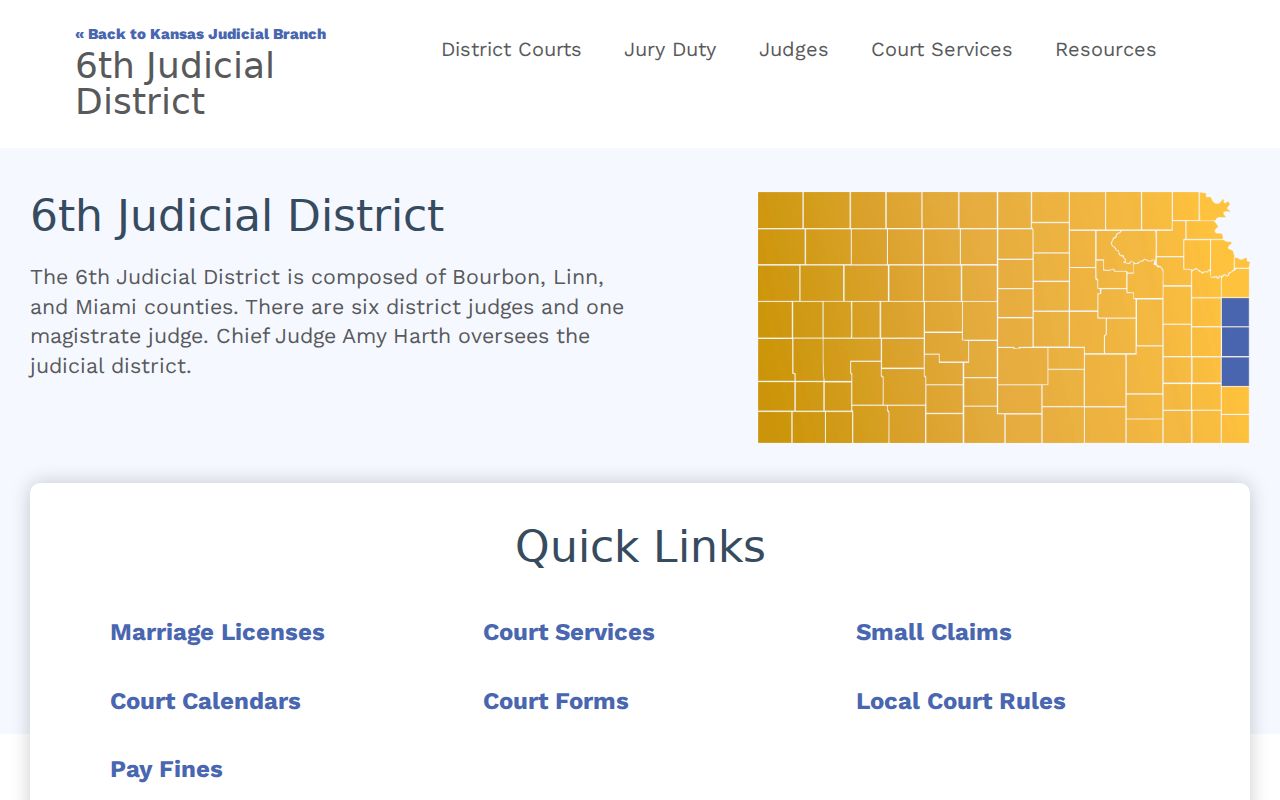
A blank screen does not end a docket search. The terminal at the courthouse and the clerk's office are still open to you.
Hamilton County gives you four ways to ask. Show up in person, call 620-272-3649, or write P.O. Box 745, Syracuse, KS 67878. A fax works too: 620-384-7806. For mailed copies, include a postage-prepaid envelope, and add one envelope per case if you have several cases. The local procedure allows three business days for a response, depending on access limits and where the file sits.
One more note on the web side. Kansas eFlex serves registered filers, not the public docket search.
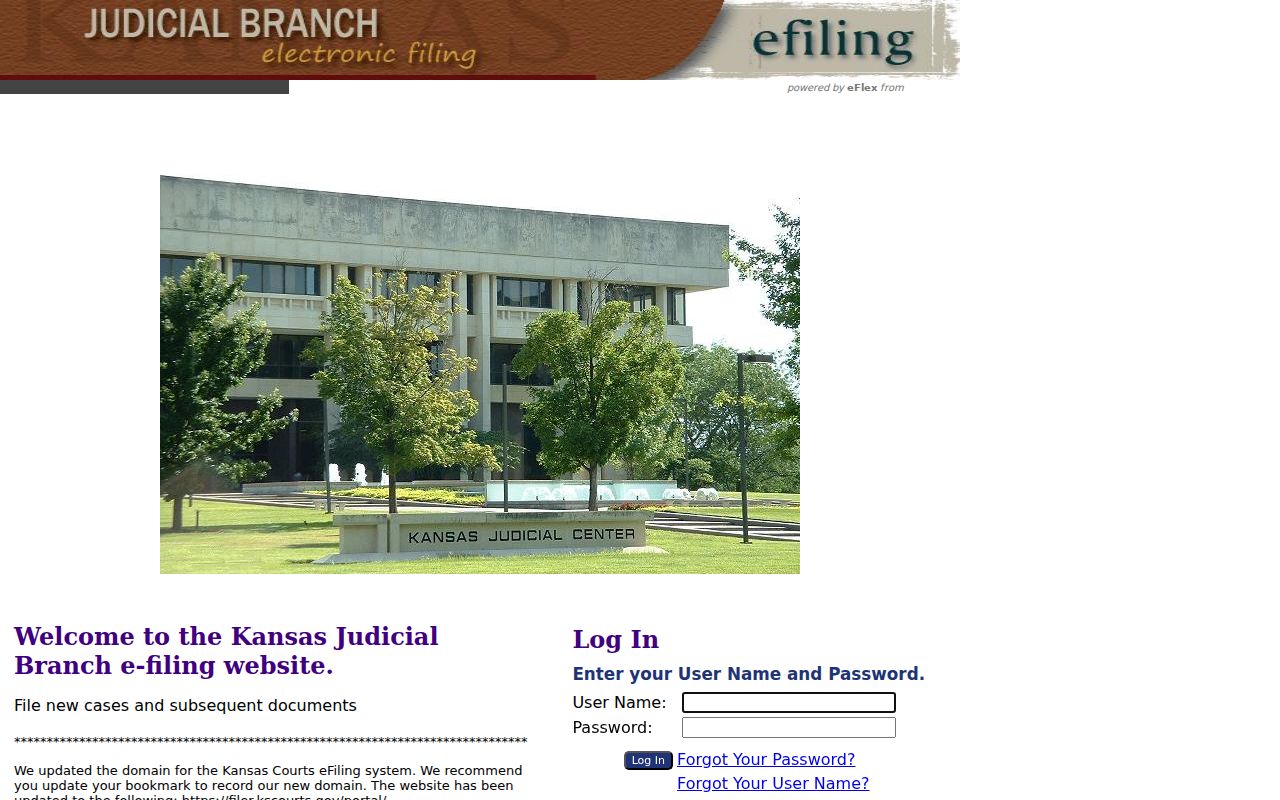
Its login and support links show why it cannot replace CaseSearch.
Hamilton Systems and Payment
The Kansas service-status page helps when CaseSearch, eFlex, or payment tools seem unavailable.
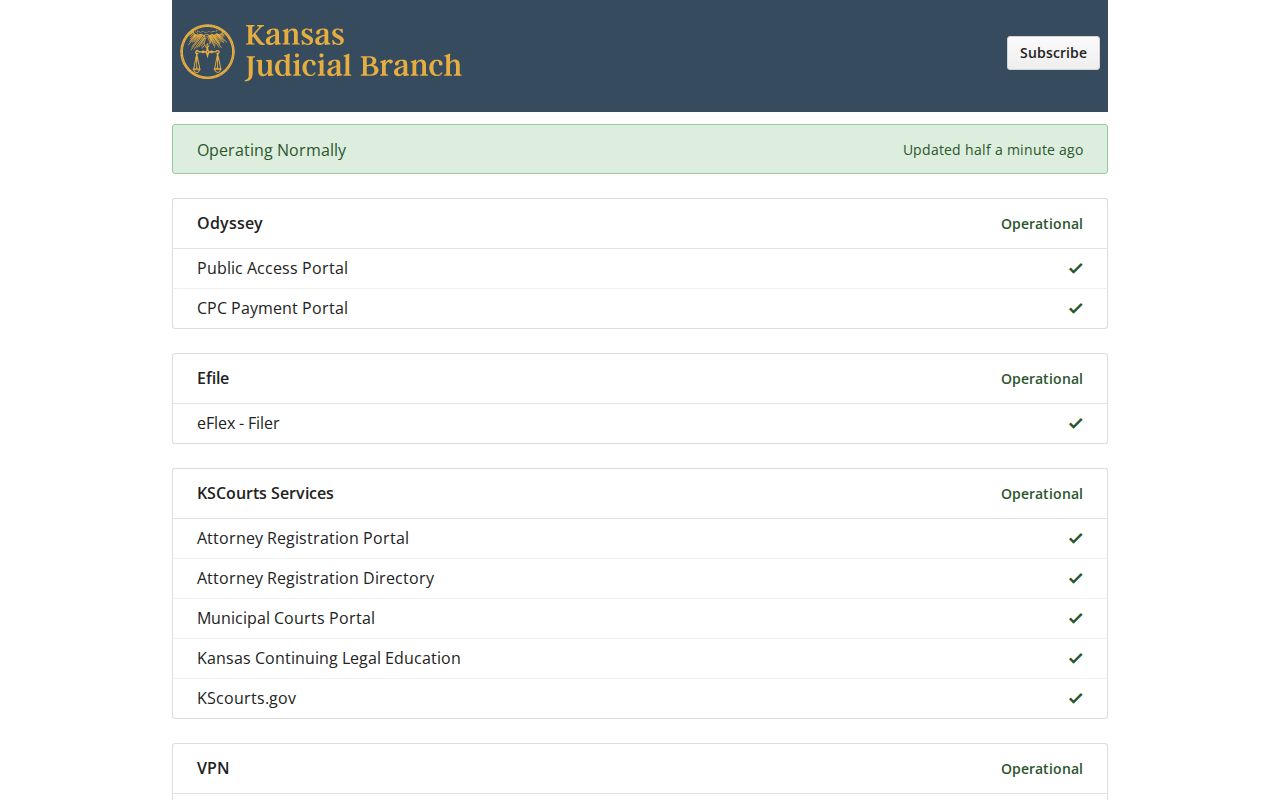
An outage is not proof that a Hamilton case vanished. Go to the clerk or the courthouse counter instead.
The Kansas Central Payment Center tracks eligible payment records. Payment there, though, is not the full docket. Its official page lays out how to pay and how to reach the center.
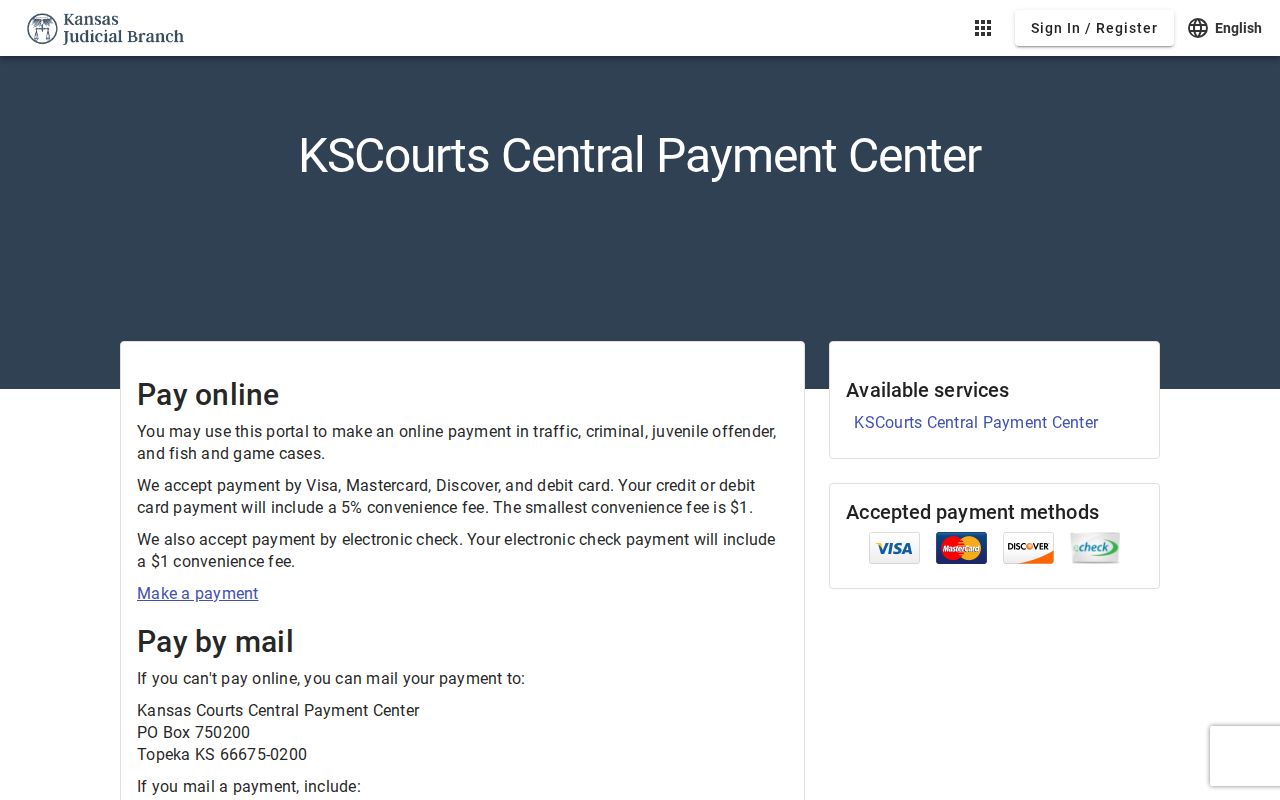
The payment route and the Hamilton County criminal court docket remain two different tools.
Access Rules for Criminal Dockets
Rule 22 draws a line between internet access and terminal access. It also keeps sensitive categories off the web.
So a missing Hamilton County criminal docket has many possible causes. The case may be sealed, expunged, juvenile, offline, or not yet indexed. It may also be held by another court. Absence alone tells you nothing about which one applies.
Key access rules
Kansas Supreme Court Rule 22 sets electronic access levels and inaccessible categories.
K.S.A. 60-2617 governs sealing, redaction, closure, notice, and good cause.
K.S.A. 22-2410 limits disclosure after criminal expungement.
The court-record request form lets you answer by email, mail, pickup, or fax.
Say which case and which document you need. Fees are simple: $0.50 per page for ordinary copies, $1 per document plus $0.50 per page for certified copies, and $0.50 per page for microfilm prints.